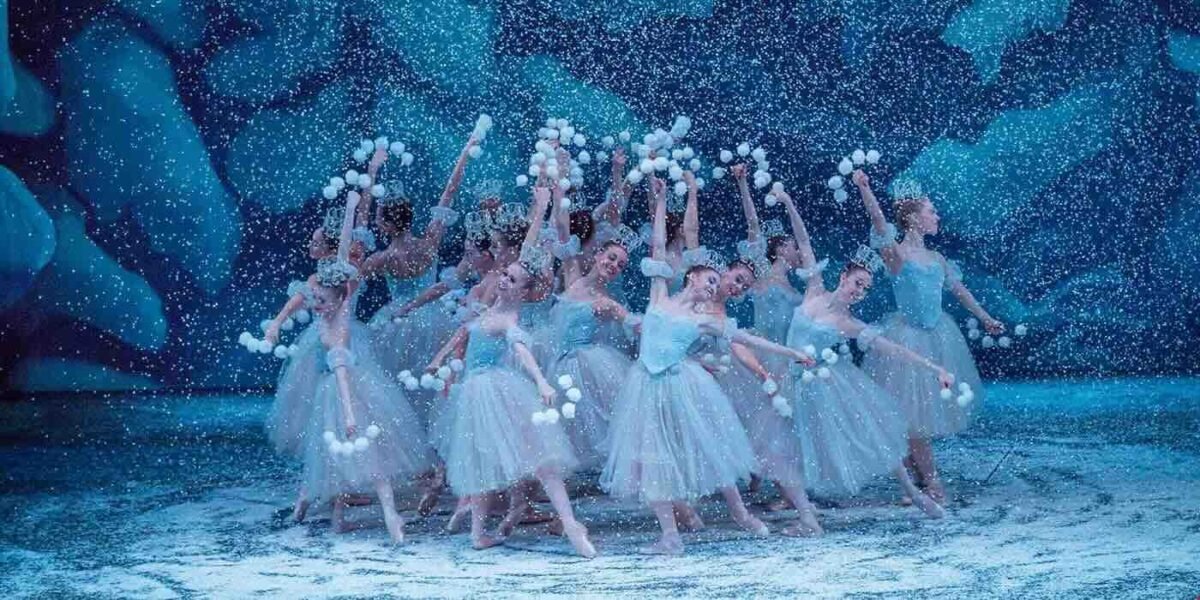
Ballet – The Beginning.

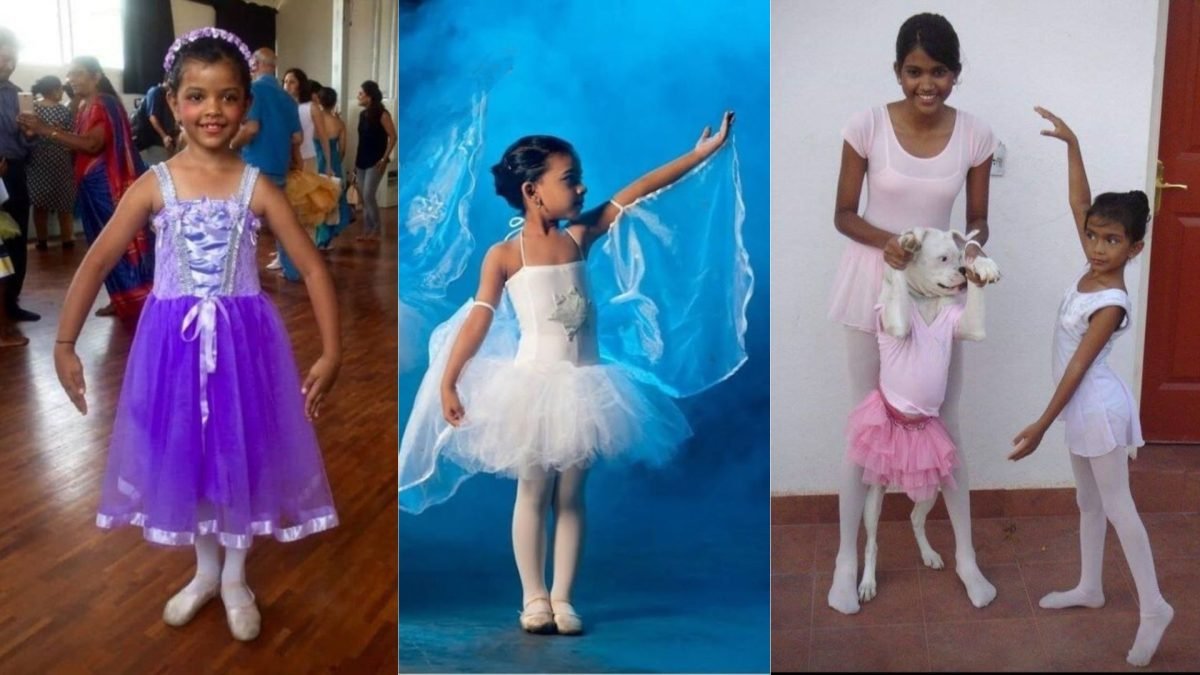
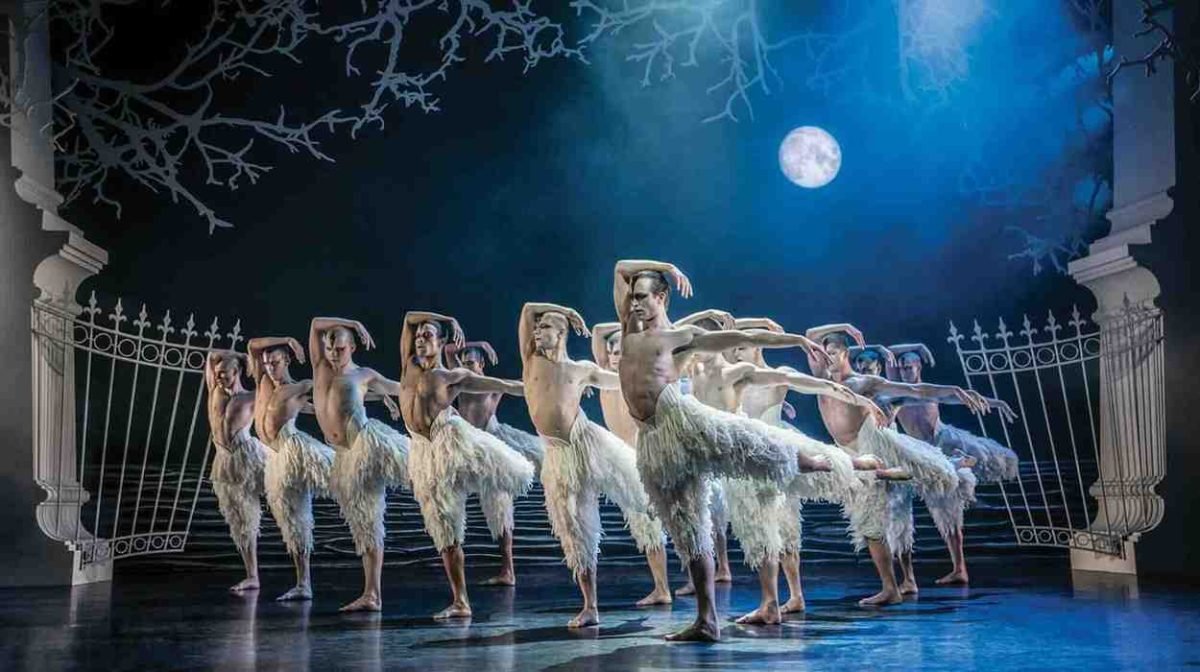
Ballet, the present awe-inspiring dance form, began in the 15th century, in the Renaissance court culture in Italy. The word ‘ballet’ comes from the Italian word ‘balletto’, which means to dance. To add elegance and grace to dance, the performers wore showy, heavy-weighted, ornate costumes. The performances were done between the courses of a banquet and the ballet used to be based on the food and the menu.

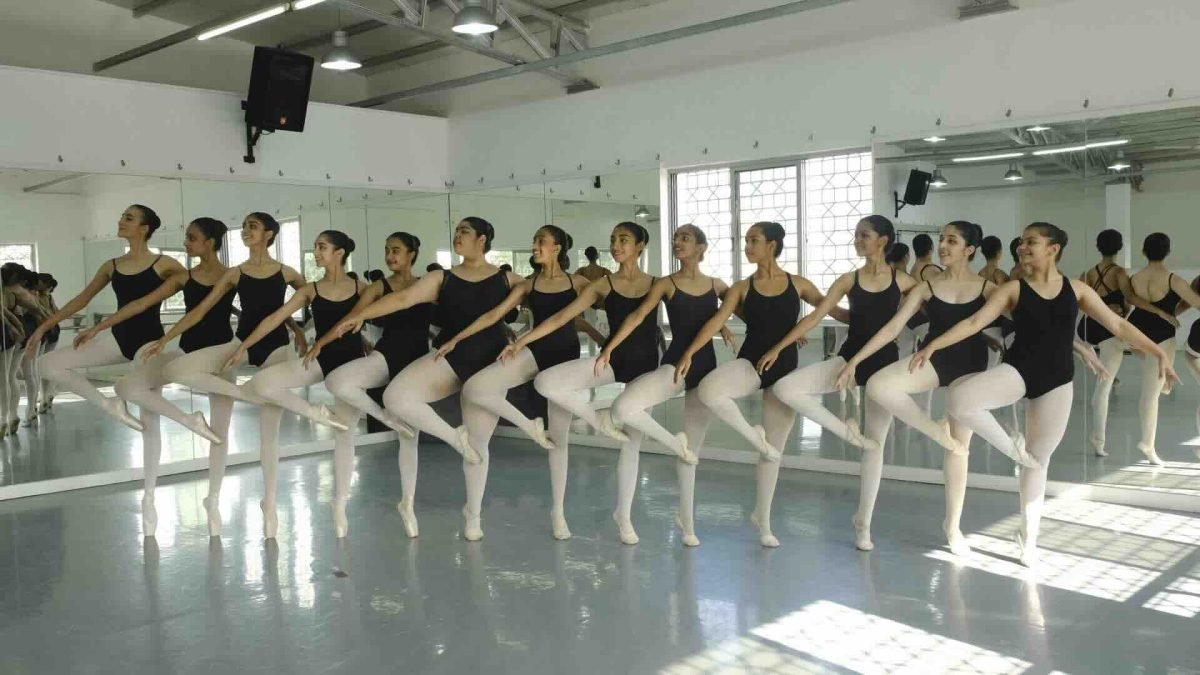
Catherine de Medicis, from Italy married the King of France, Henri II in 1553 and thus brought ballet to France. The french king, Louis XIV, is the one to be credited with utmost effort to develop ballet during the 17th Century.  His title, the Sun King, also came from a role he danced in a ballet. Under Louis XIV, the first ballet school came into existence, Royal Academy of Dance. Pierre Beauchamp, the choreographer who presented ballets at the Sun King’s court is the pioneer who defined the five pointing positions of the feet. These are the basic positions that we still use and all the steps emanate from them. A popular fun fact says that Pierre invented such positions to show off his shiny shoe buckles!

16th June 2011
by admin

tags:
, , ,

no comments
view >

Elevation – Birds & Ballet

Beauty and freedom, I guess, are the words we associate most often with a ballet performance. Coincidentally, same words strike when we watch birds fly! This connection between ballet and birds is just one way to comprehend the creativity and art Veena has tried to bring through her paintings. Veena Basavarajiah (visit her at www.veenadance.com) is a young acclaimed contemporary solo artiste of India who has been with YLDC since 2007.


There is splendour of colours and precision of sketching, out there. There is a wholesome that these paintings try to bring to you – the expression of ballet through the flying birds.

Tour en l’iar is when ballerinas or birds ‘turn in the air’ ….

Some paintings portray birds in solitude, whereas, some portray the chemistry between multiple birds. This painting on pas de duex, for instance, portrays how a couple needs more than just performing steps, more than their own individual flight to dance together, that is, the entanglement with each other.

9th June 2011
by admin

tags:
, ,

no comments
view >

Ballet, an effort to portray effortless beauty.

Ballet, a fusion of dance, music and art,
an effort to portray effortless beauty,
a synonym of life that wants to rise above all bondages.

Expressing of emotions
or acting out a script,
No words they require,
body and its movements do it.

They walk on their toes,
they jump and they flee.
They rise high in the air,
and they land so very softly.

They escape from the gravity
and feel the space in vicinity
As if they only want to say,
so easy it is to be free from any captivity!

Their feet press the floor hard
as if kissing a beloved one last time,
before they part from it,
and fight and play to reach zenith.

Ballet, a language of the feet,
an art created by the body,
where feet are brushes
that paint on the floor,
where space is the canvas
being painted by the mort.

26th May 2011
by admin

tags:
, ,

no comments
view >

Let’s let them be – Why Arts in Education?

When a test in which a child is evaluated in our schools has a maximum of 100, then how will a child ever aim at getting more than that? When we set these marks to judge the callibre of children, we also define the maximum callibre they can achieve! Maths and physics would have such absolute marks, but your child does not. To give space to the children to explore the infinite capability that they have, we need to include such areas in their education that have such nature.

Can you ever see a piece of art and comment that there can not exist one better than that? The answer is no and it clarifies to us that arts is the area we are looking for, to include in our child’s education. Infact, many a times, it is not that one art/dance piece is better or worse than the other, we only say that they are both good and different entities is themselves. This is because art comes from your heart and is in line with your identity. Like the pieces of art, our kids have identities of their own and are not to be compared and evalued all the time.

We teach all the science to our kids, but do we ever think why we are doing so? Isn’t education supposed to make our kids smart and sustainable in this world? Latest research has found that in today’s world, the sustainance depends much more on EQ, the Emotional Quotient, than IQ, the Intelligence Quotient. Education without arts can never enhance a child’s EQ properly. It is only when we allow the children to express themselves and their emotions through gestures in dance and drama, or creativity in drawings and pantings, that we aim at their holistic development.